Neurologic & vestibular physical therapy
Care starts with knowing you.

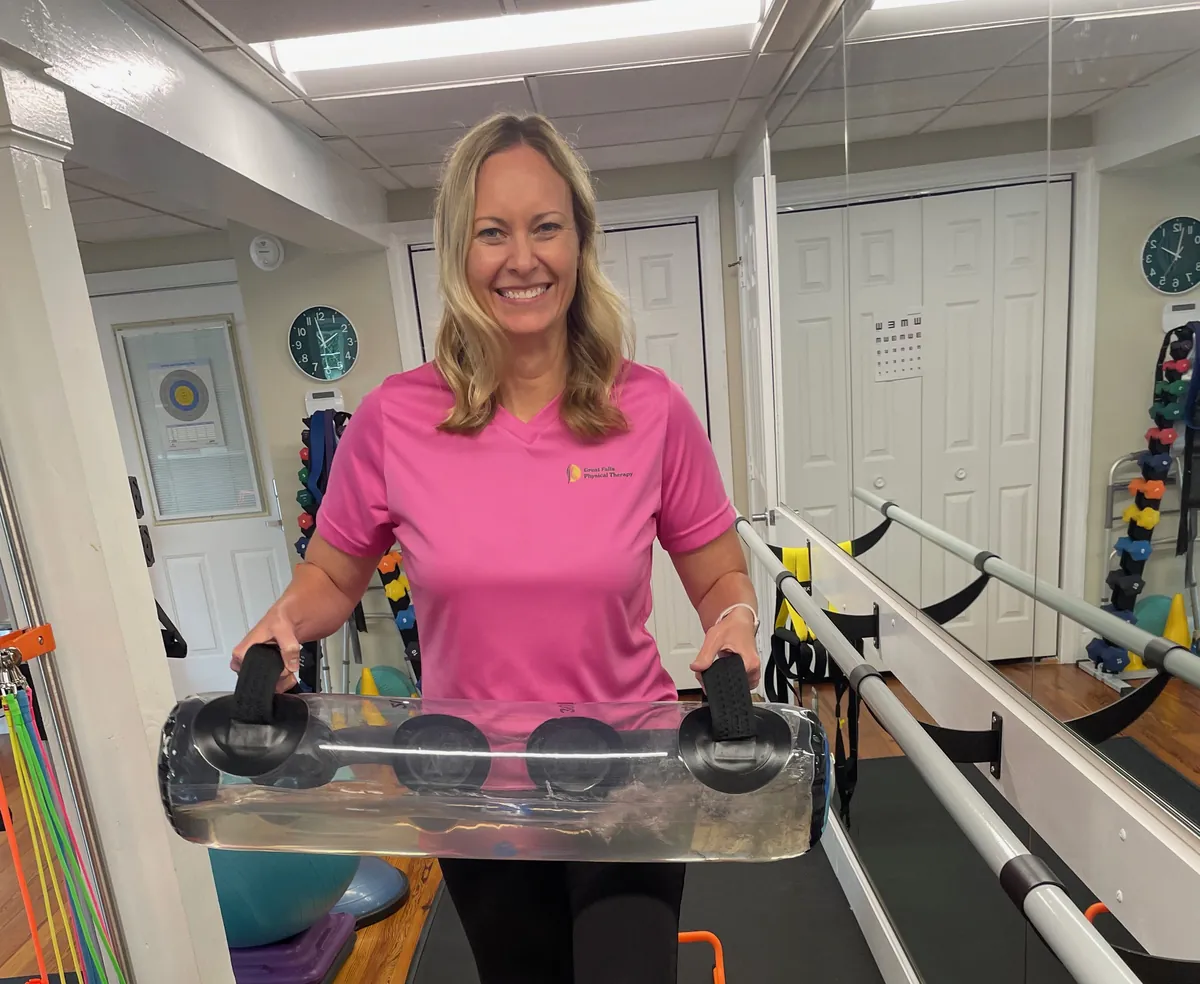
Meet your therapist
Melanie Seifert
PT, DPT
Neurologic & vestibular physical therapy
Your symptoms, your goals, and your everyday life shape the plan.
Request an appointment 703-349-1030What brings you to us?
People come to us with a range of concerns. Here are some of the most common reasons.
Dizziness & balance
For dizziness, vertigo, or changes in balance.

Neurologic recovery
Care for movement changes after a neurologic diagnosis.
Daily movement
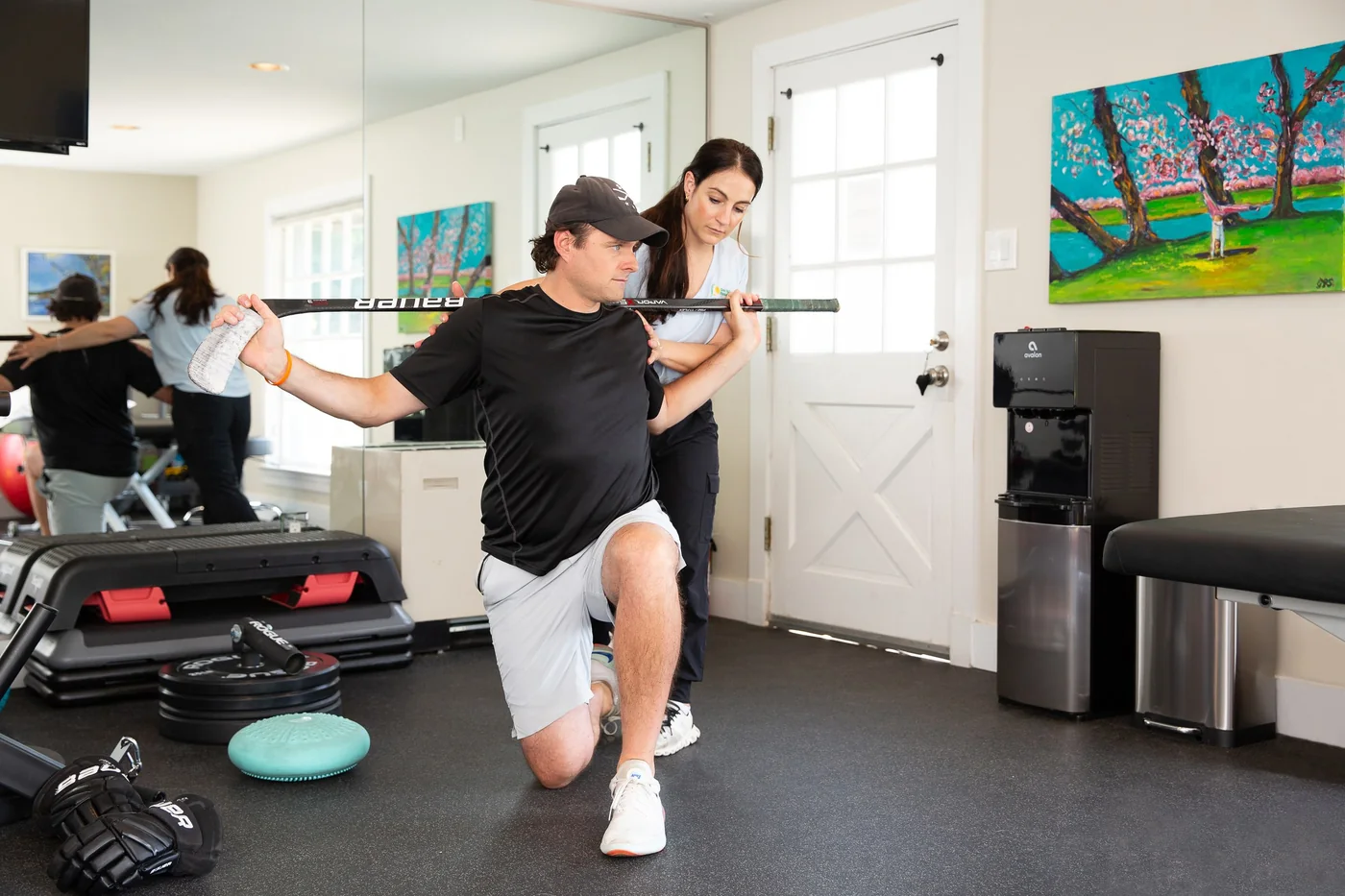
A plan that reflects the activities that matter to you.
One conversation. A clear next step.
Tell our team what you are experiencing. We can help you decide where to begin.
Talk with our teamAn individual plan
Understand what contributes.
Melanie specializes in neurologic and vestibular rehabilitation, with advanced training beyond general physical therapy education.
- Your balance systems work together.
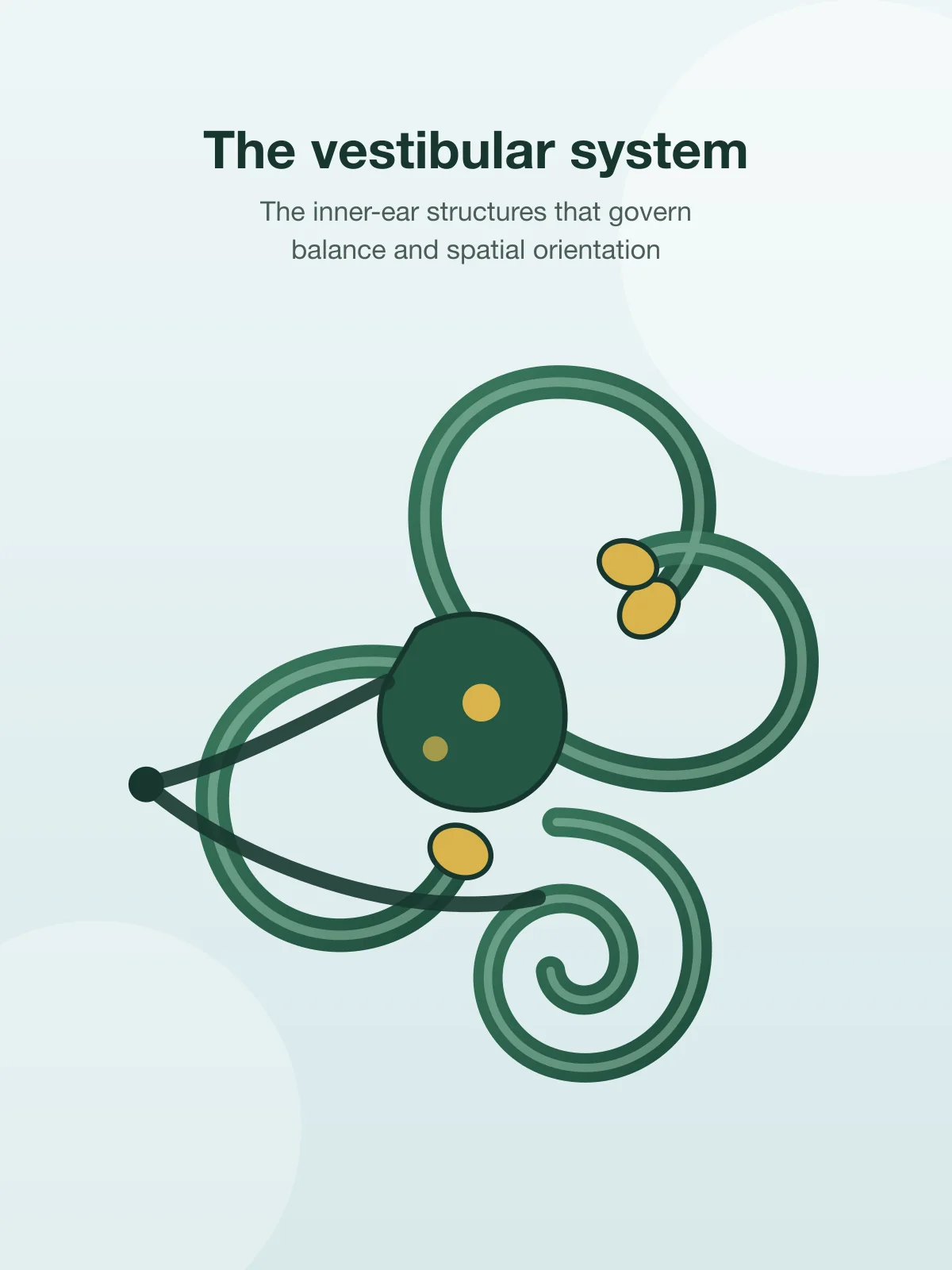
- Your inner ear acts like an internal gyroscope. Your vision and your sense of where your body is in space also help you balance. When those systems are not working well together, you may feel dizzy or unsteady.
- Assessment comes before exercises.
- Tell Melanie about symptoms such as blurred vision with head movement, veering while walking, or frequent falls. She explains the balance systems and checks which areas may need attention. Assessment may include balance with changes in the surface or visual input, body-position awareness, and how head movement affects vision and balance.
- Practice is chosen for you.
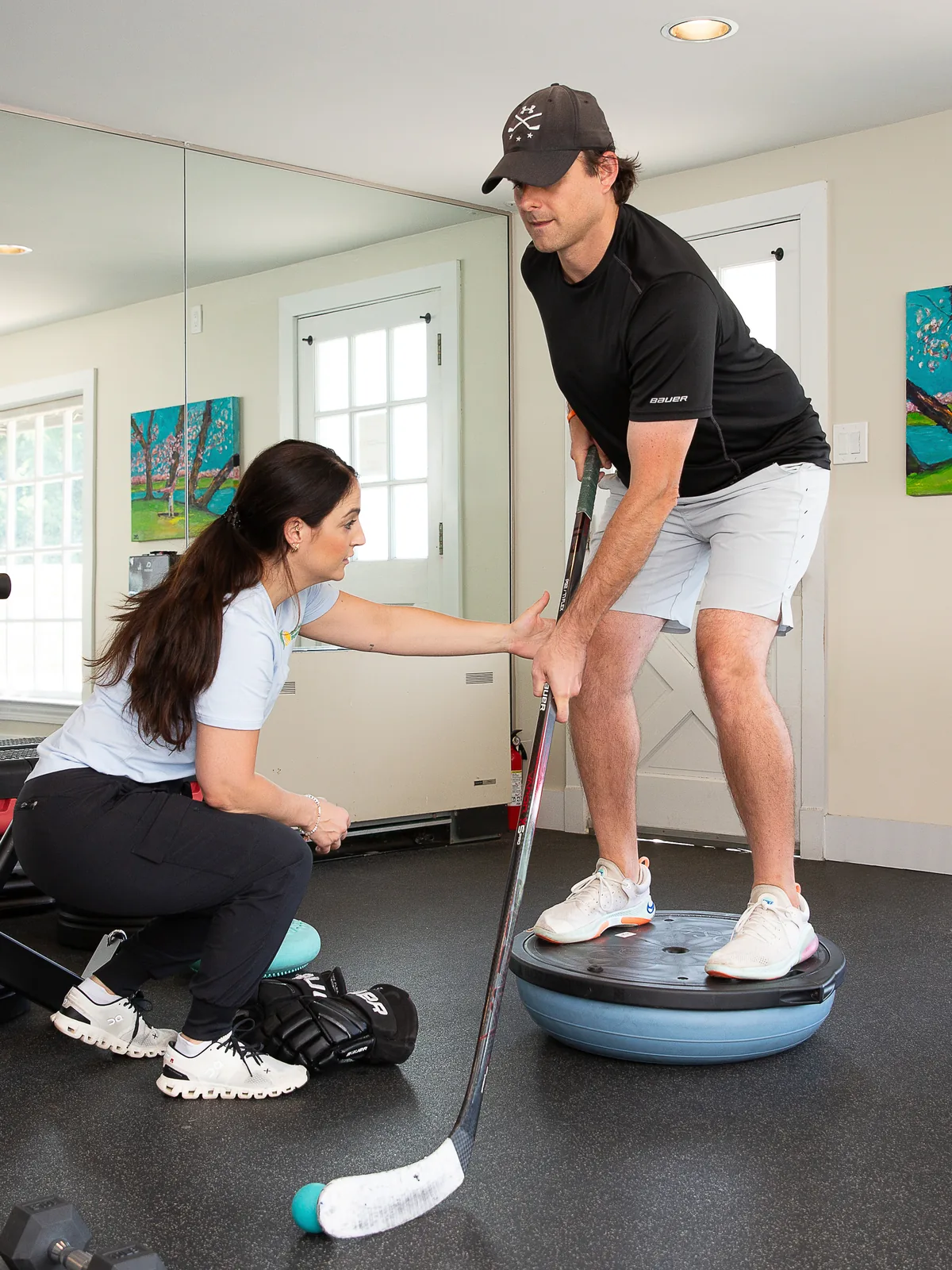
- Depending on the findings, care may include gaze-stability exercises, balance and walking practice, and neuromuscular reeducation—guided practice to improve movement control and awareness. The exercises are not a single routine for every person.
Focused rehabilitation
Different concerns. Different care.
Your presentation and goals determine the approach—not simply the name of a diagnosis.
- BPPV & “inner-ear crystals”
- Benign paroxysmal positional vertigo (BPPV) is one vestibular condition Melanie treats with canalith repositioning maneuvers. The Epley maneuver is a familiar example; the appropriate maneuver depends on the assessment. These maneuvers are for BPPV, not every cause of dizziness or every neurologic condition.
- Parkinson’s & movement disorders
- Care may include PWR! Moves® for Parkinson’s disease and individualized movement practice. People who are newly diagnosed or have lived with Parkinson’s for years can contact the team, including those returning to PT after a break or exploring it for the first time. Melanie also treats movement concerns associated with cerebellar ataxia.
- Stroke recovery
- Care can focus on movement control, sensation, awareness of an affected limb, and functional use. Melanie welcomes people early in recovery, as well as those living with longer-standing changes. The plan reflects the person’s presentation and goals.
- Multiple sclerosis
- Melanie helps people with MS return to exercise in a measured, individualized way, working on strength, endurance, and activity with their specific diagnosis and limitations in mind.
- Spinal cord injury & foot drop
- Rehabilitation is adapted to the movement and functional changes associated with spinal cord injury. Foot drop—difficulty lifting the front of the foot when walking—can have different causes; care is tailored to the underlying concern and walking needs.
- Post-concussion vestibular concerns
- Melanie also works with some people experiencing vestibular concerns after concussion, including after a sports injury or a fall. The focus is on their symptoms and assessment findings, not general athletic performance training.
Before your visit
Questions, answered.
Do I need to know why I am dizzy before I contact you?
Not necessarily. Many of Melanie’s vestibular patients arrive without a specific diagnosis. Tell the team what you are noticing and whether you have a referral or existing diagnosis, so they can discuss the appropriate next step.
Will everyone receive the same exercises?
No. Your care depends on which systems are involved, your symptoms, your diagnosis when known, and what you want to return to. A BPPV repositioning maneuver, gaze-stability exercise, and neurologic movement plan serve different needs.
Is this only for people recovering from surgery or playing sports?
No. Dizziness, imbalance, frequent falls, and neurologic movement concerns can affect everyday life. This service is focused on vestibular and neurologic rehabilitation, rather than general sport-performance training.
Can I come back to PT for a long-standing condition?
Contact the team to discuss your needs. Melanie works with both recent and longer-standing neurologic changes, including people with Parkinson’s who have not had PT before or who are returning after a break. Goals and the plan are individualized.
Find your next step.
Tell us about your dizziness, balance, or movement concerns. Our team can help you explore whether neurologic or vestibular physical therapy is a good fit.